Track Your Order


Mevushal vs Non-Mevushal: What's The Difference?
- Nov 16, 2023
Kosher wines come in either red, white, rose, sparkling...but there is another important indicator that differentiates bottles: Mevushal and Non-Mevushal. But what sets these two types apart? Let's delve into their intricacies and understand their unique characteristics.
The Historical Context of Mevushal Wine
Mevushal, which translates to 'cooked' or 'boiled,' is a specific category within kosher wines. This labeling indicates that the wine has undergone a unique process of pasteurization.
The concept of Mevushal wine has its roots in ancient Jewish law. During olden times, wine was commonly used by pagans in their offerings to their gods. The rabbis instituted strict rules about kosher wine production to ensure that Jews wouldn't drink wine associated with idolatrous practices.
The Modern Application of Mevushal Wine
Today, the principle behind Mevushal wine still holds. However, the process has evolved from boiling the wine to using flash pasteurization. This technique involves rapidly heating the wine to a specific temperature and then swiftly cooling it down. The quick heating and cooling process helps preserve the wine's flavors.
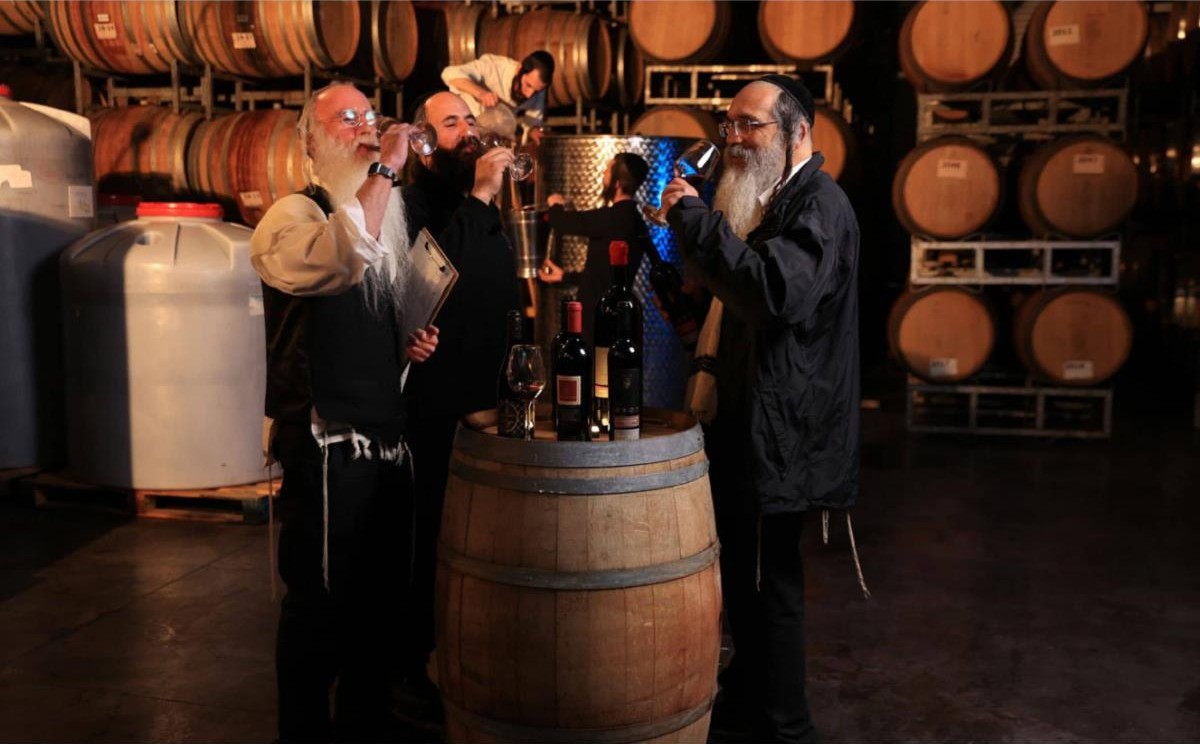
Non-Mevushal wines, on the other hand, do not undergo the pasteurization process. This means that these wines must be handled exclusively by Sabbath-observant Jews from production to pouring, preserving their 'kosher' status.
Many wine connoisseurs believe that non-Mevushal wines have a superior quality because they retain their original flavors. The absence of heating allows the wine to develop naturally, potentially leading to a more authentic taste. On the other hand, proponents of Mevushal wines argue that the modern technique of flash détente—akin to what the mevushal process is known as in the non-kosher world—enhances the wine by extracting more dyes, polyphenols, and polysaccharides. This results in wines with deeper color, and a fruitier, rounder profile, without compromising the tannin structure.
Handling Non-Mevushal Wines
Handling non-Mevushal wines, especially in public settings like restaurants or events, raises certain considerations. For instance, opened bottles of non-Mevushal wine can only be touched by Sabbath-observant Jews.
In events where non-Jews or non-observant Jews will be serving wine, Mevushal wines are often chosen to ensure compliance with kosher laws. However, some establishments and individuals prefer serving non-Mevushal wines, considering the perceived quality difference.
In kosher restaurants the rules are typically straightforward. They can sell Mevushal wine by the glass or bottle, and non-Mevushal wine as long as the bottle is opened by the purchaser.
The labels of kosher wines must correctly display the symbols of the supervisory organizations. For Mevushal wines, the label should clearly indicate that the wine has undergone the Mevushal process.
The Quality Debate: Mevushal vs. Non-Mevushal
While some people may argue that Mevushal wines are of lower quality due to the pasteurization process, this isn't always the case. Several wineries, such as Shiloh, have successfully produced Mevushal wines that can rival the quality of non-Mevushal ones.
When it comes to taste, the debate between Mevushal and non-Mevushal wines is subjective. Some wine enthusiasts champion non-Mevushal wines for their authentic, unaltered taste profile, while others perceive Mevushal wines, especially those treated with the flash détente technique, as having distinct advantages. This method is not only useful for mitigating smoke taint and other undesirable flavors but also contributes to a wine that is often more approachable at a younger age. Consequently, some drinkers may find Mevushal wines to be preferable for their immediate enjoyment without the need for extended aging.
In the end, the choice between Mevushal and non-Mevushal wines is a personal one. Each has its own unique characteristics, advantages, and considerations. Whether you're a wine connoisseur or simply a lover of kosher wines, understanding the difference between Mevushal and non-Mevushal wines allows you to make an informed choice that suits your personal preferences.