Kosher Wine BlogKosher Wine Blog

Raise Your Glass to Excellence: Champagne Barons de Rothschild

Few names in the world of wine evoke prestige like Rothschild - a dynasty synonymous with elegance, heritage, and uncompromising quality. From the legendary vineyards of Bordeaux to the far reaches of the globe, the Rothschild family has set the gold standard for fine wines. Today, that legacy sparkles brighter than ever with Champagne des Barons de Rothschild, available in two premium kosher cuvées.

This extraordinary venture began with a vision: to craft a Champagne worthy of the Rothschild name. For the first time in history, three iconic branches - Château Mouton Rothschild, Château Lafite Rothschild, and Château Clarke - joined forces to create a masterpiece of effervescence. Their pursuit was clear: nothing less than perfection.

After years of meticulous research, the Rothschilds partnered with Cave Vertus in Reims, sourcing grapes from Champagne’s most celebrated terroirs - Côte des Blancs for its elegant Chardonnay and Montagne de Reims for its noble Pinot Noir. The result? Two cuvées of exceptional finesse:

  • Champagne des Barons de Rothschild Concordia Brut – 60% Chardonnay, 40% Pinot Noir, enriched with 40% reserve wines for consistency and depth.
  • Champagne des Barons de Rothschild Brut Rosé – a delicate, vibrant expression of refinement.

Both are mevushal, ensuring they grace the finest kosher restaurants' wine lists and celebrations with ease.

As Philippe Sereys de Rothschild declared:
“Our vision was to create a grand Champagne - a wine that reflects the character, personality, and balance that have defined Rothschild excellence for over 160 years.”

Today, that vision is reality. Champagne des Barons de Rothschild stands as a benchmark for kosher sparkling wine - luxurious, elegant, and crafted to perfection. Whether for a simcha, a milestone, or simply to indulge, this is Champagne without compromise.

Discover the Rothschild standard. Taste the difference. Celebrate with brilliance.

Carmel Winery: Timeless & Uncompromising Standards to Celebrate Life’s Happiest Moments

In the heart of Israel’s vibrant wine landscape, Carmel Winery stands as a beacon of tradition and innovation - a pioneer that has shaped the story of kosher winemaking for over a century. From the historic cellars of Zichron Ya’akov to the global stage, Carmel continues to blend heritage with modern flair, delivering wines that captivate palates and celebrate life’s moments. Today, we’re spotlighting two standout offerings: the reliable Private Collection series and the playful Carmel BUZZ flavored Moscato line, both embodying Carmel’s commitment to quality, accessibility, and kosher excellence.

Private Collection: A Pillar of Consistency and Value

As Carmel Winery’s flagship commercial series, Private Collection exemplifies unwavering reliability, exceptional value, and the essence of kosher wine craftsmanship. Drawing from Israel’s sun-kissed vineyards, these wines are crafted in a contemporary Mediterranean style—clean, fruit-forward, and effortlessly approachable, with balanced structure and smooth drinkability that appeals to both novices and connoisseurs.

This versatile portfolio features a full spectrum of classic varietals, including bold Cabernet Sauvignon, elegant Merlot, spicy Shiraz, refreshing Rosé, crisp White, and sweet Moscato. Each bottle invites you to explore the rich terroir of Israel, where ancient roots meet modern techniques for wines that shine in any setting.

The label’s emblem, inspired by the iconic wine cellars of Zichron Ya’akov, pays homage to Carmel’s deep historical ties to the land. It’s a symbol of the winery’s enduring legacy in pioneering Israeli viticulture, ensuring every sip tells a story of heritage and passion.

What truly sets Private Collection apart is its ability to deliver dependable, high-quality kosher wines at a competitive price point. Whether gracing your Shabbat table, a family gathering, or an everyday indulgence, these wines have become a cornerstone of Carmel’s global success, performing consistently across markets and earning loyalty from wine lovers worldwide.

Carmel BUZZ: A Spark of Fun and Freshness

For those seeking a lighter, more adventurous twist, Carmel BUZZ brings innovation to the forefront with its flavored Moscato line—a vibrant celebration of flavor and fizz that’s redefining casual kosher sipping.

These wines are light, aromatic, and gently sparkling, boasting a fruity character, low alcohol content (just 5.5% ABV), and a refreshingly easy-drinking style. Perfect for warm days, social gatherings, or simply unwinding, BUZZ captures the joy of tropical escapades in every bubble.

The lineup bursts with playful, exotic flavors: juicy Pineapple, sun-ripened Mango, succulent Peach, crisp Watermelon, and tart Apple. Each one is meticulously crafted to be fun, approachable, and utterly irresistible—ideal for brunches, picnics, or adding a splash of excitement to your kosher celebrations.

As Carmel Winery’s Head Winemaker Yiftah Perets aptly puts it: “Private Collection and BUZZ represent the duality of our craft - timeless tradition paired with bold innovation, all while honoring our kosher roots and the spirit of Israel.”

In a world of endless choices, Carmel Winery’s Private Collection and BUZZ stand out as testaments to quality without compromise. Whether you’re drawn to the structured elegance of a classic red or the effervescent delight of a flavored sparkler, these wines invite you to experience the best of Israeli kosher winemaking. Raise a glass to heritage, flavor, and joy - discover Carmel today and let the celebration begin.

Kosher, Clean, and Crisp: The Low-Sulfite Wine Revolution

If you have ever stopped to read the label of your favorite bottle of wine and seen the word “sulfites” and thought to yourself, What’s that and what does it do, we have got some answers for you. Sulfites have been accused of being the cause of many side effects of indulging in wine, from headaches to hangovers; yet most people don’t know the first thing about them. Recently, sulfite-free and low-sulfite wines have seen an increase in popularity, especially in the kosher world. Let’s break down what sulfites do and what they don’t.

What Are Sulfites?

Sulfites form naturally as part of the wine’s fermentation process, when the yeast produces sulfur dioxide (SO2) while converting the sugars inside the grape into alcohol. In other words, every wine has some sulfites, even if only trace amounts. Sulfites act as a natural preservative, ensuring that when the wine hits your table, it will be as fresh as possible.

Why Are Sulfites Added to Wine?

As we just mentioned, sulfites are a preservative, and for winemakers, sulfites are the perfect insurance policy. Aside from preserving freshness, sulfites are added to prevent unwanted bacterial growth, oxidation, or wild yeast from spoiling the wine. Without having the proper amount of sulfites, wine can very quickly become vinegar.

Does Organic Wine Contain Sulfites?

This is a tricky one. Depending on where you live, the legal relationship varies between organic wine and sulfites. For example, in the United States, any wine deemed organic will have no added sulfites, only the ones that are created as part of the natural fermentation process. In Europe, however, organic wines can have a small amount of added sulfites, but much less than your typical bottle of wine. In short, organic wines will still have sulfites, but far less than a non-organic bottle.

Flavor Profile and Tasting Notes

Compared to other bottles of wine, low-sulfite wines will have a fresher and more vibrant flavor profile compared to conventional bottles of wine. Without the added sulfites, the natural flavors will shine, giving the wine a juicier taste. They can also be earthier in taste, reflecting the uniqueness of the vineyard and terroir in which the grapes were grown. In addition, because these wines do not have the added sulfites, their flavors can change quickly, giving you an exciting and unpredictable experience.


Are Sulfites Bad For You?

For most people, the amount of sulfites found in wine poses no health risk. In addition, if someone is having a “wine headache,” it has nothing to do with the sulfites in the wine, but more to do with other properties of the wine. Things like the histamines, tannins, dehydration, or simply the alcohol will be the leading causes of a “wine headache.”

Low-sulfite wines are a great choice if you want the most natural-tasting wine. From fruit-forward reds to elegant blends, there is a low-sulfite wine for everyone. No added sulfites means that you are connecting more with the wine, the terroir, the vineyard, and even the winemaker; tasting clean, natural flavors. Explore our selection of kosher, organic, and low-sulfite wines today.

Ice Wine: Luxury In Every Sip

Do you know that feeling when you eat or drink something and you immediately think to yourself, “where has this been my whole life?” Let me introduce you to ice wine. With the taste of luxury in every sip, ice wine bursts with flavor and feels like you are drinking winter in a glass. Let’s do a deep dive into what makes ice wine the showstopper you need in your wine collection.

What is Ice Wine?

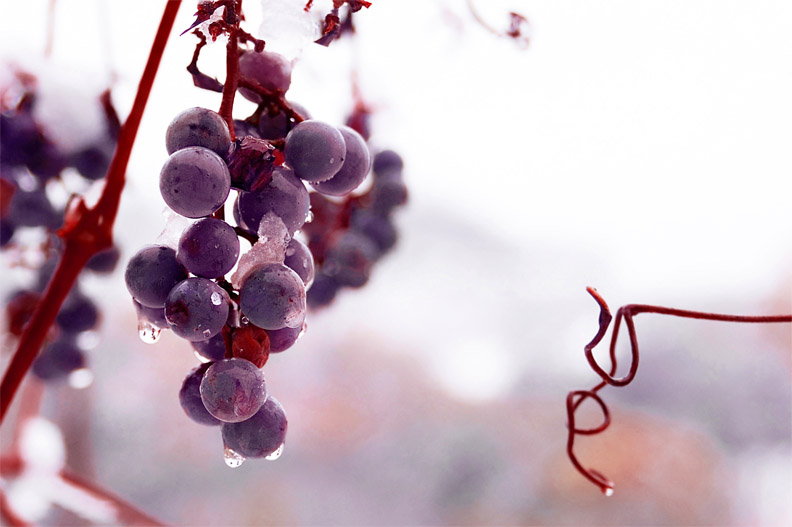
Ice wine - or Eiswein, as it's called in Germany - is made from grapes that have frozen naturally on their vine. Making ice wine is a high-risk, high-reward venture, as winemakers must wait for below-freezing temperatures for the water inside each grape to freeze. In addition, they also have to hope the grapes won’t be subject to rot or fall prey to a curious bird looking for a snack. When the grapes are harvested, usually late at night or first thing on a bitterly cold morning, the ice wine grapes leave behind a highly concentrated and deeply sweet juice.

Why Makes Ice Wine Unique?

Ice wine relies on patience and climate. Other sweet wines are made by drying the grapes or when the grapes go through the noble rot process and dehydrate. On the other hand, ice wine is solely dependent on the climate. If the weather isn’t exactly as it needs to be, the entire harvest can be lost. Producing ice wine is a labor of love, with zero shortcuts and a small yield from the harvested grapes.

Where is Ice Wine Grown?

Needing the coldest of temperatures to grow ice wine, regions like Canada, Germany, and Austria produce most of the ice wine on the market. There are also small amounts of ice wine produced in the New York Finger Lakes region.

Flavor Profile and Tasting Notes

When drinking ice wine, think of it as having your dessert in a glass. You can expect aromas of mango and stone fruit, as well as honey. Certain ice wine grapes, like Riesling, will even give off citrus and floral notes. As you bring the glass to your lips and take that sip, the ice wine will be velvety with concentrated flavors of tropical fruits.

What Does Ice Wine Pair With?

Sweet wines like ice wine are a perfect match for dessert. The crispness of the ice wine will complement classics like cheesecake and crème brûlée. But don’t think ice wine should only be enjoyed with dessert. Ice wine also goes well with savory foods like foie gras, smoked salmon, or creamy brie cheese for a perfect balance of salty and sweet.

How to Enjoy Ice Wine?

Like most dessert wines, ice wine should be served in small glasses to help concentrate the flavor and enhance the experience. Chill the wine for a few hours before you plan to drink. This is not a wine you want to drink quickly; sip it slowly, let the flavors develop on the palate, and enjoy this taste of luxury in a glass.

Raise Your Glass to Excellence: Champagne Barons de Rothschild

Few names in the world of wine evoke prestige like Rothschild - a dynasty synonymous with elegance, heritage, and uncompromising quality. From the legendary vineyards of Bordeaux to the far reaches of the globe, the Rothschild family has set the gold standard for fine wines. Today, that legacy sparkles brighter than ever with Champagne des Barons de Rothschild, available in two premium kosher cuvées.

This extraordinary venture began with a vision: to craft a Champagne worthy of the Rothschild name. For the first time in history, three iconic branches - Château Mouton Rothschild, Château Lafite Rothschild, and Château Clarke - joined forces to create a masterpiece of effervescence. Their pursuit was clear: nothing less than perfection.

After years of meticulous research, the Rothschilds partnered with Cave Vertus in Reims, sourcing grapes from Champagne’s most celebrated terroirs - Côte des Blancs for its elegant Chardonnay and Montagne de Reims for its noble Pinot Noir. The result? Two cuvées of exceptional finesse:

  • Champagne des Barons de Rothschild Concordia Brut – 60% Chardonnay, 40% Pinot Noir, enriched with 40% reserve wines for consistency and depth.
  • Champagne des Barons de Rothschild Brut Rosé – a delicate, vibrant expression of refinement.

Both are mevushal, ensuring they grace the finest kosher restaurants' wine lists and celebrations with ease.

As Philippe Sereys de Rothschild declared:
“Our vision was to create a grand Champagne - a wine that reflects the character, personality, and balance that have defined Rothschild excellence for over 160 years.”

Today, that vision is reality. Champagne des Barons de Rothschild stands as a benchmark for kosher sparkling wine - luxurious, elegant, and crafted to perfection. Whether for a simcha, a milestone, or simply to indulge, this is Champagne without compromise.

Discover the Rothschild standard. Taste the difference. Celebrate with brilliance.

Rothschild Vineyard

Nearly Forty Years of Kosher Rothschild Wine: A Legacy of Excellence

The story of kosher wine took a transformative turn thirty-nine years ago when two iconic Jewish families - the Herzogs and the Rothschilds - joined forces to produce high-quality kosher Bordeaux. This partnership not only elevated the standards of kosher wine but also helped shape its global reputation.

In the mid-1980s, kosher wine was still in its early stages of development. While there were promising efforts in California, Italy, and Israel, the market lacked consistent access to premium
kosher Bordeaux. That changed in 1986 when Pierre Miodownick, a pioneering kosher winemaker in France, approached Baron Edmond de Rothschild with a bold proposal: to produce
a kosher cuvée at Château Clarke, a Rothschild estate in the Listrac commune of Bordeaux.

Baron Edmond, whose family legacy included deep ties to Israel and the wine industry, embraced the idea. His grandfather, the original Baron Edmond - known in Israel as
HaNadiv - was the founder of Israel’s modern wine industry. Inspired by this heritage, the Baron had purchased and rebuilt Château Clarke in the 1970s, laying the groundwork for a new chapter in kosher winemaking.

To bring the wine to market, Miodownick partnered with Royal Wine Corp., led by the Herzog family. The collaboration quickly evolved into a lasting friendship and business alliance. In 1988, Royal Wine acquired Miodownick’s company, and he became their chief European winemaker.

The first kosher wine from this partnership, the inaugural 1986 Barons Edmond et Benjamin de Rothschild Haut-Médoc, was released in 1988. It marked a turning point—not only for kosher
Bordeaux, but for the entire kosher wine industry. Over the years, the portfolio expanded to include wines from Château Malmaison, Château des Laurets, Bodega Flechas de los Andes in
Argentina, and even a kosher Sauvignon Blanc and a Pinot Noir from Rimapere in New Zealand. This enduring partnership has been guided by shared values: a commitment to excellence, a
respect for heritage, and a passion for innovation. The Rothschilds brought their centuries-old winemaking expertise, while the Herzogs contributed their deep understanding of the kosher
market and global distribution.

Today, the collaboration continues to thrive under the leadership of Baroness Ariane de Rothschild and the Herzog family. The kosher Château Clarke stands as a testament to how far
the partnership has come—an exceptional wine that reflects decades of dedication and vision. As the kosher wine world continues to evolve, the Herzog–Rothschild alliance remains a
cornerstone of quality and tradition. The past thirty years have laid a remarkable foundation, and the future promises even greater achievements.

The Hidden Light of Israeli Wine: Or HaGanuz

One of Israel's hidden wine gems is the Or Haganuz winery,founded in 2005 in the eastern Upper Galilee at the foot of Mount Meron. It sits within the tightly knit Chassidic cooperative community of Or Haganuz, home to around 700 people, not far from the city of Tzfat, a historic hub for the study of kabbalah (Jewish mysticism). 


Besides producing some truly remarkable wines, the winery stands near the traditional burial place of Rabbi Shimon bar Yochai, a second century sage traditionally associated with the Zohar, a foundational work of Kabbalah. This proximity is hardly coincidental. The winery and its community aim to deepen their connection to the Land of Israel and its unique terroir through both physical cultivation and spiritual purpose. 


"The winery is not simply a commercial enterprise," says Rabbi Aharon Ziv, the founding and current winemaker, "but part of our community's core mission." 


Or Haganuz, both the village and the winery, is rooted in the teachings of Rabbi Yehuda Leib HaLevi Ashlag (1885-1954), known as the Baal HaSulam, for his monumental Hebrew commentary on the Zohar. Ashlag taught that human spiritual growth is not merely individual but communal and redemptive. By transforming selfish desires into selfless giving and living in mutual responsibility, we can help reveal Or HaGanuz - the Hidden Light of Creation - long concealed by G-d until humanity becomes ready to receive it. 


This ideal underpins the very founding of Or Haganuz. In 1989, Rabbi Mordechai Sheinberger, Ashlag's primary disciple and son-in-law, established the village as a religious cooperative society designed to live out these teachings. "The community was built on the principle of 'Love your neighbor as yourself," explains Ziv. "All businesses belong to the community; if someone works outside, their salary goes back to the community. One of these businesses is our winery, and all the workers here are from the community." 


A WINEMAKER'S JOURNEY OF MEMORY AND FAITH 


Ziv's path into winemaking has roots in family memory His father, who passed away when Ziv was still a child, had built a small wine cellar at home for producing wine. "When I moved to Or Haganuz and built my house, I recreated that cellar, so I could make wine too," he says. It began simply: making small batches at home, enjoying the process without lofty ambitions. 


Then came a turning point. A friend in the village approached Ziv with an offer of surplus table grapes that couldn't be sold. "We hand-harvested them and put the must into plastic tanks inside one of the caravans. I warned them, I didn't really know how to make this much wine and the grapes were all wrong anyway, but we persisted. It turned out horrible." he laughs. But the seed was planted. The next year they tried again -this time with proper wine grapes, and the wine was really pretty good. 


At the local Talmud Torah fundraiser, bottles of their wine were given as donor gifts. The feedback was so positive that they decided to produce more. This pattern continued until 2005, when the community formally established Or Haganuz Winery, with its first official commercial harvest in 2006.


THE WINES: AMUKA, MAROM, OROT AND BEYOND


Today, Or Haganuz produces table wines under three main labels, plus an intriguing line of dessert wines. Ziv studied formally at the Golan Heights Winery and continues to hone his craft, looking to Mediterranean regions like Italy, Spain, and Portugal for inspiration, in addition to France. 


Amuka is their entry-level series, sourced from vineyards between Meron and Dalton (790m elevation) and aged for six months in barrels. The name reflects both literal valleys and deeper spiritual ideas of hidden potential. I particularly enjoyed their light but delicious and refreshing 2024 Sauvignon Blanc-Chardonnay (labelled as Amuka Blanc in English-speaking markets), bursting with citrus, kiwi, jasmine, and yellow cherry, finishing with a delicate almond edge and a touch of orange blossom. Also, their Amuka Gewürztraminer 2024 dazzles with aromas of rose water. lychee, tropical fruit, and a silky palate lifted by bright acidity. 


Marom means height or elevation and has a connotation of spiritual or metaphysical loftiness or exaltedness (e.g.. Psalms 93:4). This references not only the high-altitude vineyards near Mt. Meron but also the elevated quality and spiritual aspiration of the wines. This line has several lovely offerings and also includes the popular Elima blend made with no added sulfites. The 2023 Marom Cabernet Sauvignon was dry, rounded, lovely, and beautifully balanced with already well-integrated tannins, while the delicious 2021 Marom Blend (Cabernet Sauvignon, Cabernet Franc, Shiraz) offers a deeply satisfying, long finish. 


At the pinnacle is Orot, meaning lights, a nod to the Kabbalistic concept of divine emanations. These wines hail from specific vineyard plots and spend 20-24 months in barrels. The 2020 Petit Verdot is inky and elegant, while the Orot Cabernet Sauvignon Special Reserve (Namura)

2019 is still young but delicious (needs time to breathe!) and captivated my fullest attention. This lovely, deeply coloured, full-bodied wine from a tiny, high-elevation single vineyard in northern Galilee offers layers of black cherry, cassis, plum, and roasted red pepper. It's wrapped in aromas of violet, chocolate, and fine toasted oak, with chewy yet silky tannins that carry flavors of anise, menthol, and herbs into a remarkably long, elegant finish - destined to enter its premium drinking window around 2028.


SWEET REVELATIONS: HAR SINAI


Among their most surprising successes are their Har Sinai (red) and Har Sinai Hazahav (white). The red was inspired by Eastern European Kagor. In Orthodox circles, sweet kiddush wine was once dubbed "yayin patishin" - hammer wine, because its overwhelming sweetness and strength is likened to being "banged in the head with a hammer" and is consumed despite its sensory qualities.


Instead, "We wanted to make something sweet but serious," Ziv says. They use late-harvest Cabernet Sauvignon and Merlot, flash-freeze the grapes to further concentrate the sugars, then gently heat them over an open olive wood fire (thermovinification), before aging in barrels left outdoors for 12 months through all four seasons. The result is a delicious, full-bodied yet supple dessert-style inky red wine, layered with aromas of raisins, cherries, plums, and coffee grain, unfolding into rich flavours of dark chocolate, balsamic, and toasted oak, ending with an impressively long, harmonious finish.


Even more dazzling is their Har Sinai Zahav 2023, a sweet Gewürztraminer fermented on the skins and aged in barrels outdoors for a year. This is a gorgeous late-harvest Gewürztraminer, showcasing a striking amber-orange hue and tremendous aromatic depth of roses, lychee, orange peel, and toasted nuts. It has a rich, slightly viscous palate of lychee, vanilla, and quince that's sweet yet clean and balanced. Its finish is long and warm and would probably be divine with flourless chocolate cake, though I suspect I'd be just as happy drinking it on its own.


THE WONDER OF WINE


Despite the community's mystical goals, Ziv remains deeply practical. "Wine can still amaze and induce wonder," he says. "We're not making Coca-Cola. You never know exactly how something will turn out. That's what makes it so much fun." At Or Haganuz, tending vines and producing wine is a devotion. Wine is not only for joy but for purpose - to draw light into the world, to reveal the hidden, and to elevate the mundane. 


One might not expect a winery to help hasten the redemption. But Or Haganuz is built on that very aspiration. And in the glow of a glass of the wonderful 2019 Orot Cab Special Reserve (Namura) or a sip of the stunning 2023 Har Sinai Zahav, the goal no longer seems quite so distant.


This article was written by Joshua London and originally appeared in Fleishigs Magazine.

Capital by Zion Winery – A Jerusalem Legacy in Winemaking

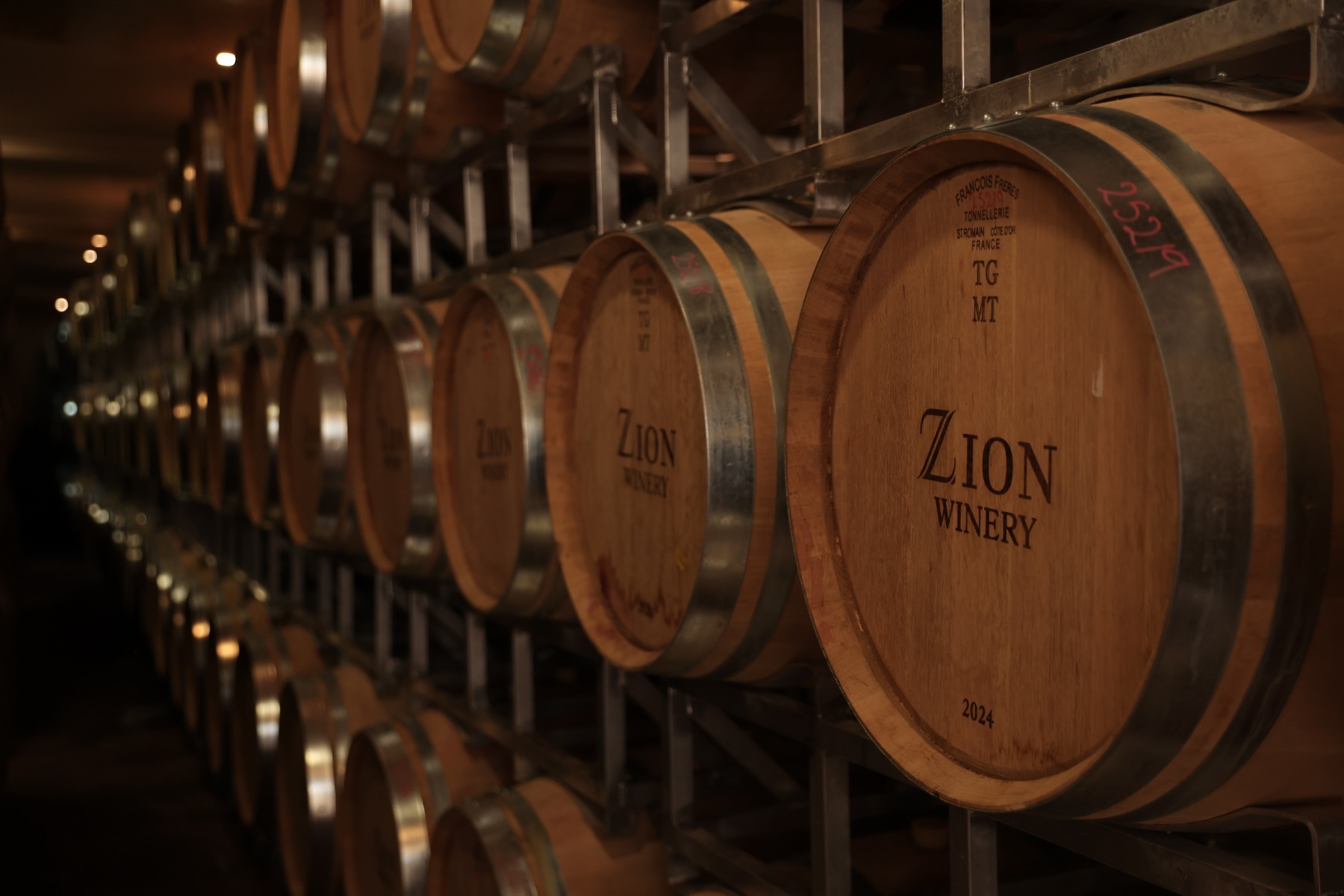
The story of Zion Winery begins in 1848, within the Old City of Jerusalem. Established by the Shor family, the winery has remained in family ownership and management for over 177 years. Today, it is recognized as the 5th largest winery in Israel. Yet, it continues to operate with the ethos of a family estate, where tradition, continuity, and attention to detail are central values.

Now located on the eastern outskirts of Jerusalem, at the edge of the Judean Desert, the winery draws grapes from carefully selected vineyards across Israel, ranging from the northern Golan Heights to the southern Negev. This broad geographical scope allows for a rich diversity of terroirs while maintaining the consistent style and quality that define Zion wines.


The Capital Label

Capital is the winery’s flagship label, named after Jerusalem itself. The range reflects both quality and accessibility, with several wines achieving recognition in Israel’s leading wine competitions as well as on the international stage.

  • Cabernet Sauvignon – classic in style, fruit-forward with balanced structure and a lingering finish.
  • Merlot – soft, rounded, with layered complexity; widely regarded for its substantial value at its price point.
  • Lions Gate Red – a blend of Petite Sirah, Syrah, and Merlot; rustic, spicy, and fruit-driven.
  • Lions Gate White – a fresh and aromatic blend of Colombard, Sauvignon Blanc, and Muscat (unavailable in the U.S.)
  • Rosé – crisp, refreshing, with bright acidity and delicate berry notes.

Each of these wines has earned awards, including gold medals at the Challenge International du Vin, the Israel Wine Awards, and the Best Value Competition, as well as recognition at the Decanter World Wine Awards.


A Tradition Sustained

The continuity of the Shor family in leadership is central to the winery’s identity. CEO Yossi Shor and winemaker Zvika Shor represent the latest generation, carrying forward the work of their fathers. With Zvika Shor serving as winemaker since 1992, the winery benefits from one of the longest-standing hands-on experiences in Israeli winemaking today.

Despite its scale, Zion Winery is often described as having the feel of a boutique operation – blending the efficiency of a business with the resources of a major producer and the intimacy and craftsmanship of a family-owned winery.

Kamisa Winery – Where Fine Wine Meets Fine Dining

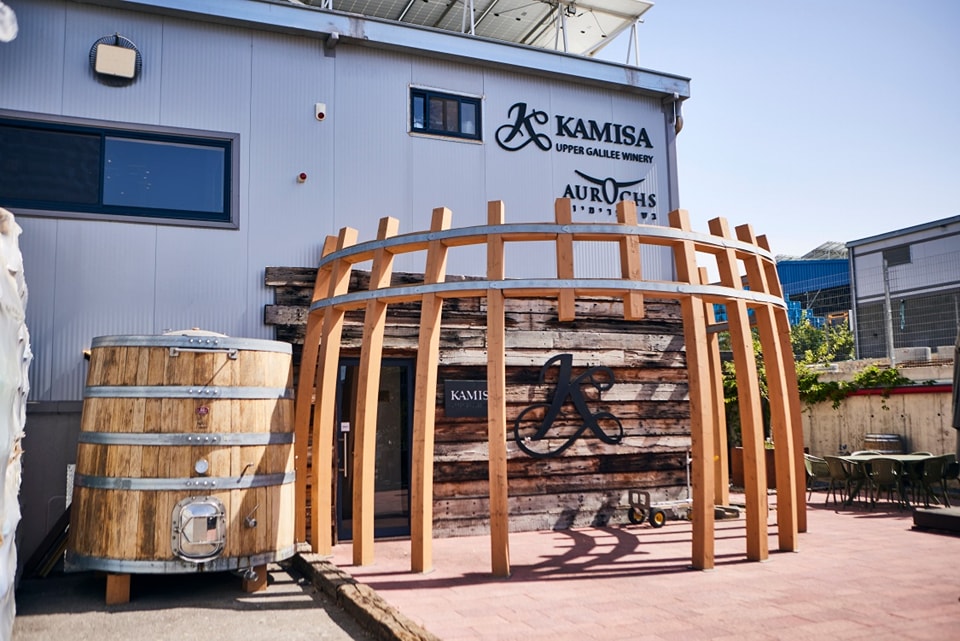
Nestled in the Upper Galilee, Kamisa Winery has grown from a boutique family enterprise into one of Israel’s most promising wine producers. Founded with a passion for authenticity and craftsmanship, the winery has always placed an emphasis on creating wines that reflect both the richness of the land and the artistry of winemaking. Over the years, Kamisa has steadily expanded production, while maintaining a commitment to quality and innovation.

Today, the winery produces close to 600,000 bottles annually, with a balance between its own signature labels and exclusive collaborations with other brands. This dual focus allows Kamisa not only to strengthen its own identity but also to play a central role in the broader Israeli wine scene.

The winery offers a diverse portfolio, ranging from elegant reds—crafted from Cabernet Sauvignon, Shiraz, and Merlot—to crisp and aromatic whites. Each wine is produced with meticulous care, showcasing the unique terroir of the Galilee. Whether bold and full-bodied or light and refreshing, Kamisa’s wines are designed to elevate any dining experience.

At the heart of Kamisa’s philosophy is the fusion of fine wine with exceptional food. The winery believes that wine reaches its true expression when paired with flavors that complement and enhance it. This vision is brought to life at the winery’s own restaurant, where seasonal, locally sourced ingredients are transformed into dishes that mirror the complexity and depth of the wines. From slow-cooked meats to fresh Mediterranean vegetables, each plate is carefully crafted to create harmony between food and wine.

As founder Yehuda Kamisa explains: “For us, wine is not just about what’s in the glass. It’s about the experience at the table—sharing flavors, stories, and moments that bring people together.”

For Kamisa, wine is more than a beverage—it is an invitation to celebrate pleasure, flavor, and discovery.

Shiloh Winery: Wines of strength and grace

Everything was set. A night harvest was planned for right after the holiday ended on Shemini Atzeret, Shabbat, October 7, 2023 – but pulling out of his driveway, winemaker Amichai Lourie discovered that the entire Shiloh Winery staff and all the vineyard grower staff were fighting for Israel’s survival. Weeks later, an 83-year-old retired picker and his friends finished his northern harvest with IDF cannons booming alongside them and rockets fired in their direction.


The spanking-new Shiloh Winery Visitor Center was almost ready for its grand November opening during Hanukkah 5784-2023, with just a few final touches needed. But Amichai uses only Jewish laborers – all were drafted. There was no grand opening, just a ghostly shell standing. That was last year.
 

Adino, from Shiloh’s Legends line. (credit: EYAL KEREN)


We came to learn about the war’s ongoing impact in its second year.
 
Today, the stunning Jerusalem stone structure sits on Shiloh’s main entrance road. An outdoor deck overlooks grapevines and olive orchards in the fertile Shiloh Valley; a wine-bottle-lined indoor hall with magnificent décor seats 140, with outdoor seating for up to 300 people. More intimate rooms for private gatherings or meetings are in the upper floor, including a cigar room. A state-of-the-art caterer’s kitchen is near completion. A full range of barbecue facilities is already in use by private chefs that work wonders for private and organizational groups. “We had a soft opening on Sukkot 2024. Regular tours include jeep trips into the fields, but only 150 overseas tourists have come in half a year, instead of 150 or more a day,” says Yossi Kransdorf, center manager and an American oleh.

“I was coordinating the production of our creative artist Pinny Mizrachi’s new beautiful graphics and labeling from my laptop,” says Assistant GM Itai Metzger, “working with Scheller Printing. But at some point, you have to actually check colors at the printer, and months went by until I could go.” Yossi smiles. “That’s when he was outside; he could work at night, but when he was fighting inside, there was no phone, no laptop, and no contact.” These men are serving in IDF units where they cannot even talk about what they do. So designing and labeling held up the bottling, which delayed the packing and shipping.


The in-house state-of-the-art laboratory boasts machines like one using both infrared and UV light, and turns samples into gas, to frequently and easily test an entire range of factors. Computers and smartphones adjust each room, tank, and pipe temperature, and set nonstop Sabbath and even three-day holiday treatments. For example, fermenting wine develops a hard “cap” of skins and solid material rising to the top. No more regularly opening all the tanks to physically pound it down; now pumps do it. Wetting the cap regularly with wine, even every few minutes if needed, enables maximum skin contact with the liquid, thus extracting flavors, aroma and color from the skins without damage. This exactitude was never before possible. Lees, a yogurt-like sludge with seed remnants and acids, form on tank bottoms, but with much absorbed wine. A new Italian machine extracts high-quality wine from the lees, greatly increasing the quality and quantity of each batch.

Amichai Lourie, chief winemaker and CEO of Shiloh Winery.

I finally sit down with Amichai himself, and he opens his heart before I say a word.

“The people of Israel, the Torah of Israel, and the Land of Israel are one – the land is a living responsive force that responds to the people and how they live with the Torah, in it and on it. The Hatam Sofer says working the land is the equivalent of putting on tefillin. Some mitzvot can only be done here, and even the others that are performed in the Diaspora, as the Ramban says, are preparing us to do them in Israel. I travel regularly overseas on business, and I sense this perception is lacking. So I seek to share it through wine.”

JP: How has the war affected you in its second year?

AL: Many growers were away fighting, and their crops suffered, losing about 30% of our 2024 grapes. Our staff is in and out of the frontlines. Delays meant missing the high season of Purim and Pesach overseas for many 2023 wines, losing the “prime real estate” on store shelves, and canceled orders. But our product has shelf life and improves with age, so Baruch Hashem! I hope the 2023 18-month wines will make it for Rosh Hashana. And Royal Wine Corporation, our distributors, devote themselves to helping us succeed.

JP: Originally, there were no chairs for visitors because you invested everything in the wine. After achieving the quality level you wanted, over ten years, you planned, designed, and built the new visitor center. What’s the concept?

AL: I wanted a 5-star hotel feeling – the furniture, lighting, aromatic candles in the bathrooms, and multiple venues for high-end meetings, leadership gatherings, honoring donors to organizations and those who really appreciate fine foods and fine wines to luxuriate here. At an outdoor deck party, the visitor will say, ‘I’m coming back here with my friends for drinks in the cigar room, with my staff for our product launch, or my overseas cousins for an intimate wine-tasting and gourmet meal!’ Come picnic in the vineyard, enter the vat and barrel rooms smelling the wine, feeling the air, seeing the people working, or go down with winemaker Matanya Popper into the cellar, drawing samples directly from the barrels.


JP: But with far fewer visitors and maintenance costs, how do you continue?

AL: An IDF officer came in. I said, ‘Sir, I’m busy. I have no staff – how can I help you?’ He said, ‘Your care packages to our wives and families keep us going; I had to thank you personally.’ I replied, ‘Very nice, but give me my worker back!’  He replied, ‘No. Units from Gaza to Lebanon fight for his attention and fly him back and forth. He solves challenges that no one else can.’ He showed me classified images of my worker saving lives, recovering hostages, and finding real-time battlefield solutions you didn’t hear about on the news. That keeps us going. Visiting Tel Shiloh next door is an unforgettable experience, with the archaeology of the Mishkan (the Tabernacle) and great multi-media. There is ATVing, workshops with craftspeople, hikes, and springs. We hope this summer will be packed! Our visitor center hostesses, Revital More and Aura Netzer, tailor the experience for each group, and our sukkah will host holiday visitors!”

JP: I like the optimism under duress. Tell me about your new wines.

AL: Before that, I must first say that you cannot yet grasp our transformation from outside of Israel. Regular people suddenly being battlefield heroes or saving people from terrorists at home; world news and Time Magazine featuring relatives of hostages and freed hostages – look at these people, look how they speak! Overseas, people dropped their jobs to do everything possible to help and protect us, combining David’s protective shield with his slingshot and sword. Am Yisrael needs Gevura, steadfast and constant courage, resilience, and a readiness to stand up. Our people today are like King David’s courageous, brave fighters and entourage, like Adino Haetzni, soft and flexible learning in the study hall, tough as wood on the battlefield. Safra veSaifa, the book and the sword, learning Torah and defending its values in life, is an ancient Jewish value. They inspired the renaming of our Legend line of complex blends. I hope seeing these new David’s Heroes bottles with the protective Shield of David will convey that Safra veSaifa message.

This past year was the worst drought I can remember, yet the produce has been amazing! Adino, formerly “Fiddler,” blends Petite Syrah, Petit Verdot, and Shiraz, which are very full-bodied and aromatic. Ittai, formerly “Honi,” is Cabernet Sauvignon, Cabernet Franc, and Malbec; 16 barrel months, very rich and spicy. Ira, a priest to David and his Torah teacher, is the name of a totally new blend of Carignan, Grenache Barbera, elegant and complex, yet light.”

“Privilege is our entry-level, then white and rosé wines, then the single varietal Shor series – the bull, Joseph’s blessing, and then David’s Legend blends. Secret Reserve, Mosaic, and Mosaic Exclusive demand exceptional quality grapes and more time to process. They are only produced in some years.


JP: I sense you are holding back a secret; you are not satisfied. What earns a 100 score? No Israeli wine has yet received 100.

AL: For two decades, I have been working with Napa Valley winemakers and constantly experimenting. In 2019 and 2020, I finally thought some barrels had it. This summer, I hope to release them with a new name. They are definitely an eighth level. We shall see….”


JP: Still, Amichai. We are still at war, you pay salaries, and have suffered financial losses. Private chefs and others come, but far below the center’s potential. How can you keep going?

AL: What truly drives this place is the deep conviction and belief of owner Dr. Mayer Chomer of Mexico. The Bible speaks about winemaking as part of life here, with God’s blessing, with fruits growing as heralding the onset of Israel’s redemption; “There is no greater open [sign]that the end is in sight,” says the Talmud. Jeremiah promises wine growing will return to the Shomron (Jeremiah 31:4). That this visitor center now exists, and as Elton John sings, “We’re still standing,” is a credit to his integrity and to his belief that we are making a difference here, and that our wine proudly carries an important message –and this center will certainly be its flagship. It’s a pleasure and an honor to be working with such a man. But I sense success is percolating, like Joseph smelling sweet smells while being taken captive. Good things are coming.”

An expanded version of this article may be found on the Shiloh Winery website.

Barkan Platinum 2021: From Hidden Barrel to Your Seder Table

Barkan Platinum Cabernet Sauvignon 2021: Elegance You Can Afford

Ever wished you could find a wine that truly stands out without draining your wallet? Barkan Platinum Cabernet Sauvignon 2021 is precisely that—a refined wine crafted with care, offering luxury without pretense.

The Origin Story: Discovering a Hidden Treasure

Occasionally, greatness is discovered by chance. During a routine barrel tasting, the winemakers at Barkan Winery encountered something remarkable: barrels that stood distinctly apart, boasting flavors and aromas too exceptional to blend away. Recognizing this special quality, they decided these barrels deserved their own spotlight. Thus, the Platinum series was born—a celebration of selectivity and craftsmanship.

Why Platinum?

"Platinum" isn't merely a fancy label—it's a commitment to excellence. Only the finest barrels from Barkan's top vineyards are chosen, receiving extra attention and extended aging. The result is a wine that embodies sophistication and meticulous care, yet remains approachable and fairly priced.

The 2021 Vintage: A Perfect Balance

For Barkan, the 2021 harvest was defined by adaptability. While yields may have been lower, the grapes that emerged boasted exceptional depth and character. This vintage promises wines that vividly capture a story of resilience, seamlessly reflecting nature’s harmony from vineyard to bottle.

Tasting Notes: A Symphony in Your Glass

This Cabernet Sauvignon greets you with enticing aromas of ripe cherries, juicy blackberries, and gentle hints of spice. The palate unfolds elegantly—rich fruit notes complemented by velvety tannins and subtle layers of vanilla and cocoa. It's sophisticated enough to impress connoisseurs yet gentle enough for everyone to enjoy.

Perfect for Passover: Elevating Tradition

When selecting wine for Passover, particularly the ceremonial Four Cups during the Seder, Barkan Platinum Cabernet Sauvignon 2021 is an ideal choice. Its rich yet balanced profile complements the significance of each cup, offering both depth and elegance that honor the evening's traditions. With flavors that delight without overwhelming, this wine beautifully enhances your Seder experience, sip after thoughtful sip.

Affordable Luxury: A Thoughtful Indulgence

Barkan Platinum Cabernet Sauvignon strikes the ideal balance—luxurious yet approachable. It tastes like an indulgence, yet feels like a wise purchase. Whether you’re hosting a special dinner, gifting someone dear, or simply elevating an ordinary evening, this wine delivers value and elegance seamlessly.

Final Thoughts

With Barkan Platinum Cabernet Sauvignon 2021, you'll feel confident knowing you've chosen a bottle that effortlessly combines sophistication and practicality, crafted by an extremely talented winemaker Olivier Fratty. It's refined yet relatable—luxury made accessible. L'Chaim!