Kosher Wine BlogKosher Wine Blog

Kosher, Clean, and Crisp: The Low-Sulfite Wine Revolution

If you have ever stopped to read the label of your favorite bottle of wine and seen the word “sulfites” and thought to yourself, What’s that and what does it do, we have got some answers for you. Sulfites have been accused of being the cause of many side effects of indulging in wine, from headaches to hangovers; yet most people don’t know the first thing about them. Recently, sulfite-free and low-sulfite wines have seen an increase in popularity, especially in the kosher world. Let’s break down what sulfites do and what they don’t.

What Are Sulfites?

Sulfites form naturally as part of the wine’s fermentation process, when the yeast produces sulfur dioxide (SO2) while converting the sugars inside the grape into alcohol. In other words, every wine has some sulfites, even if only trace amounts. Sulfites act as a natural preservative, ensuring that when the wine hits your table, it will be as fresh as possible.

Why Are Sulfites Added to Wine?

As we just mentioned, sulfites are a preservative, and for winemakers, sulfites are the perfect insurance policy. Aside from preserving freshness, sulfites are added to prevent unwanted bacterial growth, oxidation, or wild yeast from spoiling the wine. Without having the proper amount of sulfites, wine can very quickly become vinegar.

Does Organic Wine Contain Sulfites?

This is a tricky one. Depending on where you live, the legal relationship varies between organic wine and sulfites. For example, in the United States, any wine deemed organic will have no added sulfites, only the ones that are created as part of the natural fermentation process. In Europe, however, organic wines can have a small amount of added sulfites, but much less than your typical bottle of wine. In short, organic wines will still have sulfites, but far less than a non-organic bottle.

Flavor Profile and Tasting Notes

Compared to other bottles of wine, low-sulfite wines will have a fresher and more vibrant flavor profile compared to conventional bottles of wine. Without the added sulfites, the natural flavors will shine, giving the wine a juicier taste. They can also be earthier in taste, reflecting the uniqueness of the vineyard and terroir in which the grapes were grown. In addition, because these wines do not have the added sulfites, their flavors can change quickly, giving you an exciting and unpredictable experience.


Are Sulfites Bad For You?

For most people, the amount of sulfites found in wine poses no health risk. In addition, if someone is having a “wine headache,” it has nothing to do with the sulfites in the wine, but more to do with other properties of the wine. Things like the histamines, tannins, dehydration, or simply the alcohol will be the leading causes of a “wine headache.”

Low-sulfite wines are a great choice if you want the most natural-tasting wine. From fruit-forward reds to elegant blends, there is a low-sulfite wine for everyone. No added sulfites means that you are connecting more with the wine, the terroir, the vineyard, and even the winemaker; tasting clean, natural flavors. Explore our selection of kosher, organic, and low-sulfite wines today.
5 Things You Didn’t Know About Israeli Wines

5 Things You Didn’t Know About Israeli Wines

When people think of wine, regions like France, Italy, and California often steal the spotlight. However, Israel has quietly become one of the most innovative wine producers in the world. Combining ancient history with modern techniques, Israeli wines are captivating palates globally. Here are five surprising facts about Israeli wines to inspire your next pour.


1. Israel’s Winemaking Tradition Dates Back Over 5,000 Years

Israel’s winemaking roots stretch back over 5,000 years, making it one of the oldest wine-producing regions. Archaeological findings, such as ancient wine presses, amphorae, and grape seeds, reveal that winemaking was deeply embedded in biblical life.

Today, wineries like Carmel Winery, founded in 1882, honor this legacy while adopting modern practices to create globally recognized wines. Boutique producers like Shiran Winery push boundaries with unconventional blends and daring styles, delivering bold, award-winning creations.


2. Unique Terroir Creates Extraordinary Flavor Profiles


Israel’s diverse geography—spanning the cool, high-altitude Golan Heights to the sun-soaked Negev Desert—offers winemakers an exceptional canvas for cultivating grape varieties. Volcanic soils, limestone-rich hills, and Mediterranean breezes contribute to complex flavor profiles with excellent aging potential.

Boutique wineries like Yaacov Oryah Winery highlight this terroir with expressive and experimental wines, such as orange wines and nontraditional blends. Meanwhile, Yaffo Winery in the Judean Foothills produces balanced reds and floral whites that showcase the region’s unique soil and climate.


3. Sustainability and Innovation Are Driving the Future


In Israel’s arid climates, sustainability is essential. Israeli winemakers pioneered drip irrigation and many wineries adopt organic and biodynamic practices to protect the land.

Tabor Winery leads in sustainable viticulture, producing wines without synthetic chemicals and promoting biodiversity. Similarly, Yaacov Oryah uses natural fermentation to highlight the grapes' raw essence. Such eco-conscious practices ensure Israeli wines are both exceptional in taste and mindful of the environment.


4. Kosher Wine Can Be Premium and Trendy


Gone are the days when kosher wines were seen as sweet and uninspiring. Israeli wineries have elevated kosher winemaking, crafting elegant wines that appeal to both religious and secular drinkers.

Castel Winery, known for Bordeaux-style blends, emphasizes balance and sophistication, while Yatir Winery produces rich reds that reflect the rugged Negev Desert. Tzora Vineyards creates terroir-driven wines often compared to high-end European vintages. Family-run Tura Estate Winery and innovative Matar Winery prove that kosher wines can be trendsetting and timeless, earning them places on fine dining tables worldwide.


5. Israeli Wines Are Winning International Awards


Israeli wines have made their mark on the international stage, winning prestigious awards and receiving high praise from critics.

Flam Winery, known for Mediterranean-style blends, and Yarden Winery, the flagship of Golan Heights Winery, are celebrated for their expressive wines. Shiloh Winery consistently impresses at international competitions with its bold reds and elegant whites, earning global recognition for its meticulous vineyard practices. Carmel Winery, Israel’s oldest producer, continues to balance tradition with modernity, while Shiran Winery earns accolades for its inventive, unconventional blends. Together, these wineries showcase the quality and diversity of Israeli wines, proving they can compete with the world’s best.

How to Hold A Wine Glass

How to Hold a Wine Glass Properly

Believe it or not, how you hold your wine glass can impact your enjoyment of a wine. It's not just about looking sophisticated; it also affects the wine's temperature and taste.  

Read more

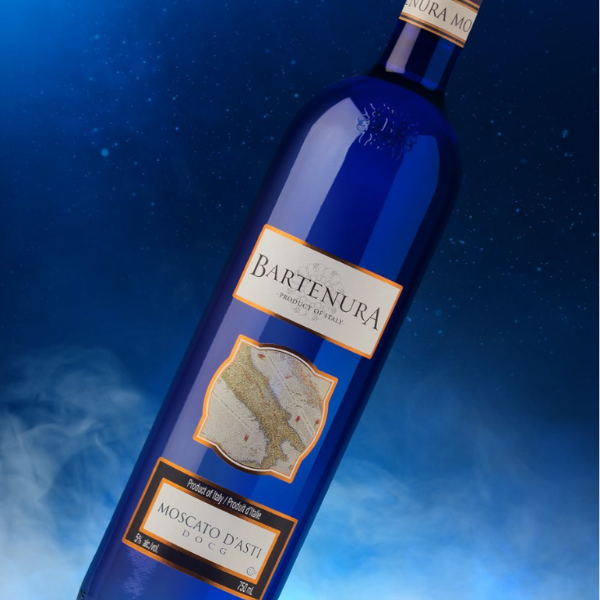
Bartenura Blue Bottle Moscato

Beyond the Glass: The Story of Bartenura's Blue Bottle Moscato

Blue bottles in winemaking are uncommon, with green and clear glass being the standard. Bartenura Moscato's choice of a blue bottle is a notable exception in this tradition.

Read more

A Handy Guide to Wine Bottle Sizes

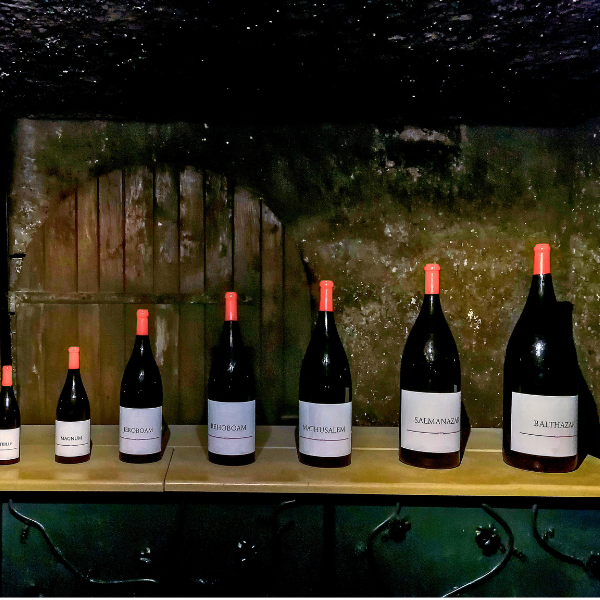
Choosing the right wine bottle size doesn't have to be a guessing game. Whether it's for a personal treat or hosting a large party, there's a bottle size that fits every need. Here's a comprehensive list of wine bottle sizes and the number of glasses they typically serve.

Read more

What is Sancerre Wine?

In the heart of the Loire Valley, the Sancerre region has developed a reputation for crafting premium, high-quality white wines, notably from the Sauvignon Blanc grape. This article provides an educational and informative exploration of Sancerre wine, focusing on its geographical significance, winemaking styles, and the unique characteristics of the wines it produces.

Read more

Exploring the World of Wine: A Journey of Discovery

Learning about wine can be a rewarding and enjoyable experience, whether you are a beginner or an experienced wine drinker. If you've ever felt overwhelmed by the seemingly bottomless depths of wine knowledge, don't worry. Starting your journey in the wonderful world of wine doesn't have to be a mystery! 

Read more

Mevushal vs Non-Mevushal: What's The Difference?

Kosher wines come in either red, white, rose, sparkling...but there is another important indicator that differentiates bottles: Mevushal and Non-Mevushal. But what sets these two types apart?

Read more

Sulfites in Wine: A Real Concern or Just a Misunderstanding?

Sulfites in wine have sparked curiosity and misconceptions among consumers and connoisseurs alike. Let's dive into the details of sulfites, their origin, their role in wine, and whether they are as significant an issue as often portrayed.

Read more

How Much Sugar Is In Wine: A Simple Guide

One of the most common questions or inquiries that the wine team is asked is how to find a sugar-free or low-sugar wine... or how much sugar is in a particular bottle. Whether you are an experienced wine lover or just starting to explore, this guide will help you understand what you need to know about sugar in wine.

Read more